

CUE BURN Special Edition: Five Substack Voices on What’s Next for Vinyl Culture In 2026. Plus, Highlights from our Vinyl Alliance London Members Meeting
Cue Burn is your essential newsletter for the vinyl record industry, brought to you by the Vinyl Alliance. Stay informed with the latest insights and interviews with leading vinyl voices

Saint Laurent Unveils Advent Calendar With 24 Vinyl Records


The Parisian luxury house has released a limited-edition vinyl box set featuring 24 records selected personally by creative director Anthony Vaccarello. The collection is intended as a tribute to music across several distinct eras that ‘showcase the artistry of analogue sound’, with several exclusive releases for Saint Laurent. The box set also includes a digital interactive component, allowing those lucky enough to receive the gift to discover the lore behind each record and what inspired Vaccarello’s selections. Plus, six of the records contain access passes to coveted Rive Droite artefacts, ranging from designer cameras to signature caps. According to Hypebeast, this chic holiday gift, released at select Rive Droite stores, is limited to just 70 copies worldwide, with a price tag of €3,850 ($4,510, £3,384).
Our Take: Luxury fashion houses are increasingly aligning themselves with the intimacy and intentionality that come with experiencing analogue sound. By creating an intimate vinyl playlist through the lens of its creative director, paired with a digital component that unfolds the story across 24 records, Saint Laurent turns a traditional box set into a shared daily ritual. Released during the holiday season, this invites loyal Saint Laurent customers to slow down, and create a deeper connection with the house. There is more opportunity for vinyl listening to be positioned as a daily luxury ritual, as well as more potential for artists to add rich storytelling to accompany records through digital integrations.
John Lewis’ Christmas Advert Celebrates Vinyl Gift Giving
In the UK, the John Lewis Christmas campaign has become akin to the US Super Bowl ads in terms of cultural impact, and this year the iconic British retailer chose to make vinyl the central storytelling device of its famous seasonal advert. In the two-minute film, an awkward teenage son gifts his 50-year-old father a vinyl record featuring the iconic ’90s dance hit ‘Where Love Lives’ by Alison Limerick, which is also reimagined as a new version by producer Labrinth for the campaign’s soundtrack. On discovering the gift, the father heads straight to his record player, which transports him back to the 1990s, awakening nostalgia for his teenage years, as well as memories of his son as a toddler. Meanwhile, the son expresses his love through a thoughtful gift that creates an intergenerational connection without words. Little Black Book reports that Rough Trade curated vinyl range at John Lewis will also exclusively stock a vinyl release of ‘Where Love Lives’, with Side A featuring Alison Limerick’s iconic original version, while Side B presents Labrinth’s newly reimagined interpretation. Profits from the £15 ($17, €17) limited-edition vinyl will support the John Lewis Partnership’s Building Happier Futures programme.
Our Take: The John Lewis advert runs across TV, digital, cinema, billboards, and social channels, supported by extensive in-store experiences signaling the brand’s belief in vinyl as a powerful storytelling tool capable of connecting all its retail touchpoints. For the record industry, the advert’s concept highlights a growing opportunity to position vinyl as a powerful, emotional intergenerational bridge, particularly when it comes to male relationships, where verbal communication is traditionally difficult.
Silent Vinyl Album Protests AI
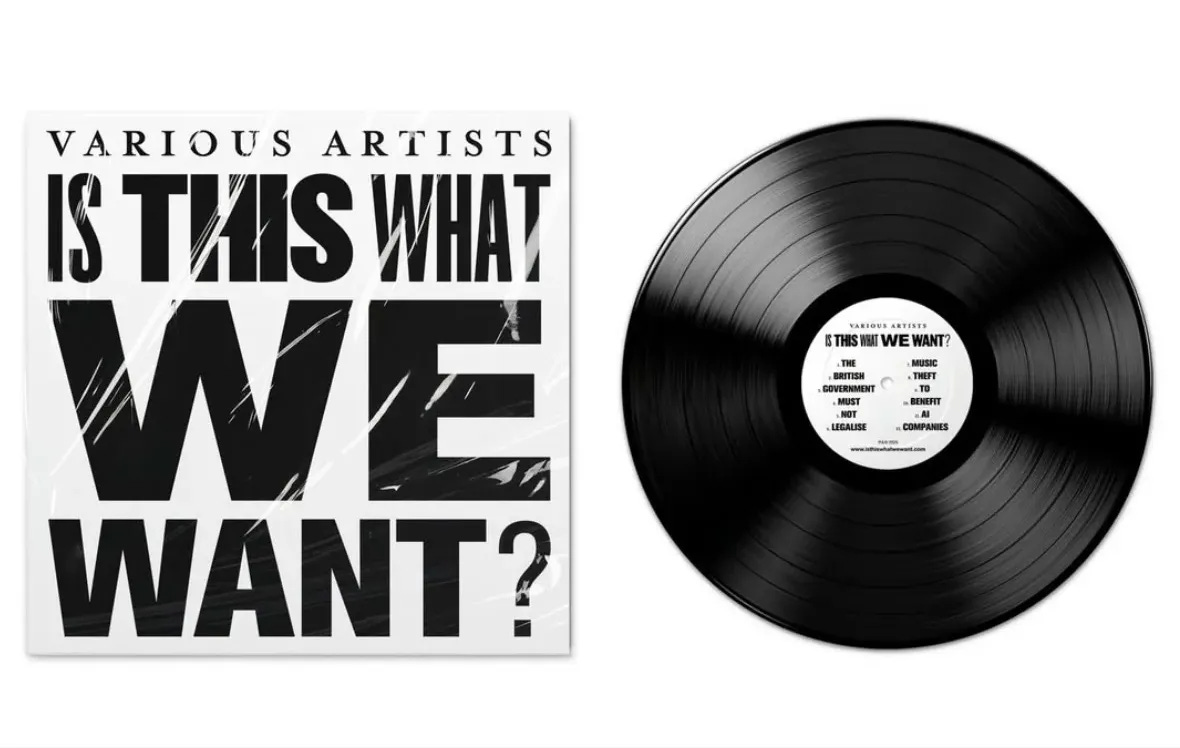
Kate Bush, Hans Zimmer, and the Pet Shop Boys, alongside more than 1,000 other musicians, have lent silent tracks to a new protest album, with the track listing spelling out: ‘The British government must not legalise music theft to benefit AI companies’. According to NME, the record is set to be pressed on vinyl, but instead of instrumentals and vocals, listeners hear only the occasional clatter or faint background noise from empty recording studios. Titled ‘Is This What We Want?’, the album suggests a future in which there are no artists left to create new music if AI companies are allowed to exploit musicians’ intellectual property to train their models. The release comes as the UK government plans changes to copyright law that would make it easier for artificial intelligence platforms to develop and train models using copyrighted work without requiring a licence. “I am very concerned the government is paying more attention to US tech companies’ interests rather than British creatives’ interests,” said composer and campaigner Ed Newton-Rex, speaking on the motivation behind the album. All profits from the £28 ($37, €32) release will be donated to the charity Help Musicians. The album is available to order here.
Our Take: Despite being a largely silent protest album, it was crucial for music activists to release Is This What We Want? as a physical vinyl record, giving people an object they can purchase, collect, and hold onto. Both this protest release and the John Lewis record featured in this month’s newsletter offer audiences a clear incentive to buy vinyl in support of a cause, turning records into symbolic, historic objects rather than just another listening format.
CUE BURN POLL: WHAT’S YOUR TAKE?
Q&A: We Ask 5 Substack Writers Their Predictions for Vinyl Culture in 2026


For this special edition of CUE BURN, we reached out to some of our favourite Substack writers engaged with vinyl culture to learn more about how they came to love the format, their thoughts on record trends in 2025, and where opportunities exist for the industry looking forward into 2026. From activist music writing, to album art critiques, soundsystem culture, fan-driven research, to the everyday rituals of record collecting, each of their Substacks approaches the format from a different angle. Across these conversations, a few key themes surfaced: the power of vinyl for deeper multi-platform storytelling, the importance of not treating vinyl fans simply as a cash-grab opportunity, and the value of shared knowledge and human connection between the community that supports record collecting culture. As the Vinyl Alliance, we hope these conversations will help ignite different perspectives on the vinyl format, and inspire you with new ideas looking ahead to the new year.
Will McCartney – Noise Narrative
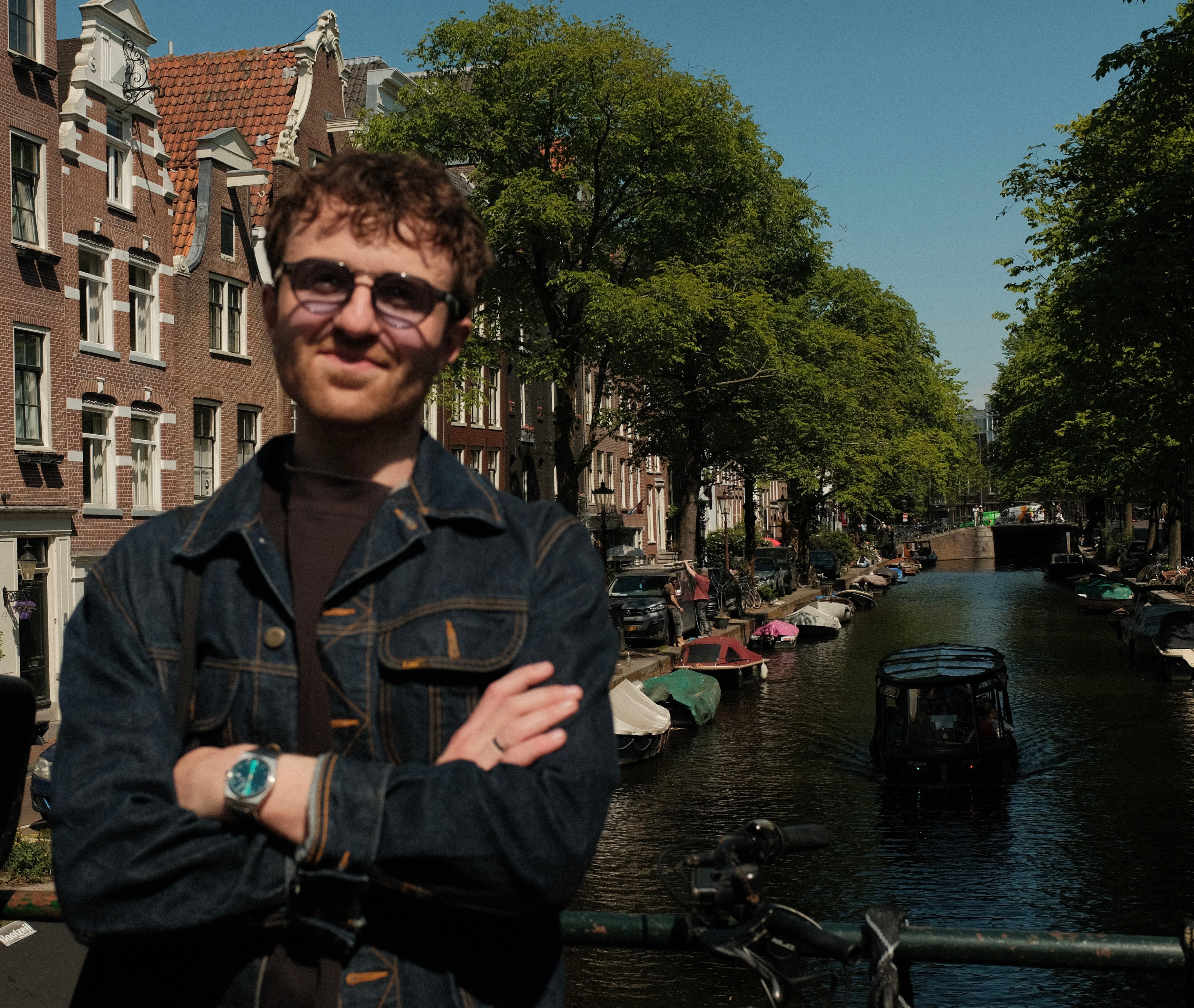
After contributing to publications like Mixmag and The Quietus, Will McCartney created Noise Narrative as a way to write about music on his own terms. Through essays, photographic reports, interviews, and mixes, the journalist platforms the people, scenes, and issues he believes deserve to be celebrated. A key source of inspiration came from travelling to Morocco in his early twenties, where he spent a few days living with the indigenous Amazigh people of the southern Moroccan Sahara. With very little shared language, they spent hours each evening playing hand-crafted drums together. “It produced a lightbulb moment for me,” says McCartney. “Music, when viewed as language, is a deeply potent prospect that I could write about forever.”
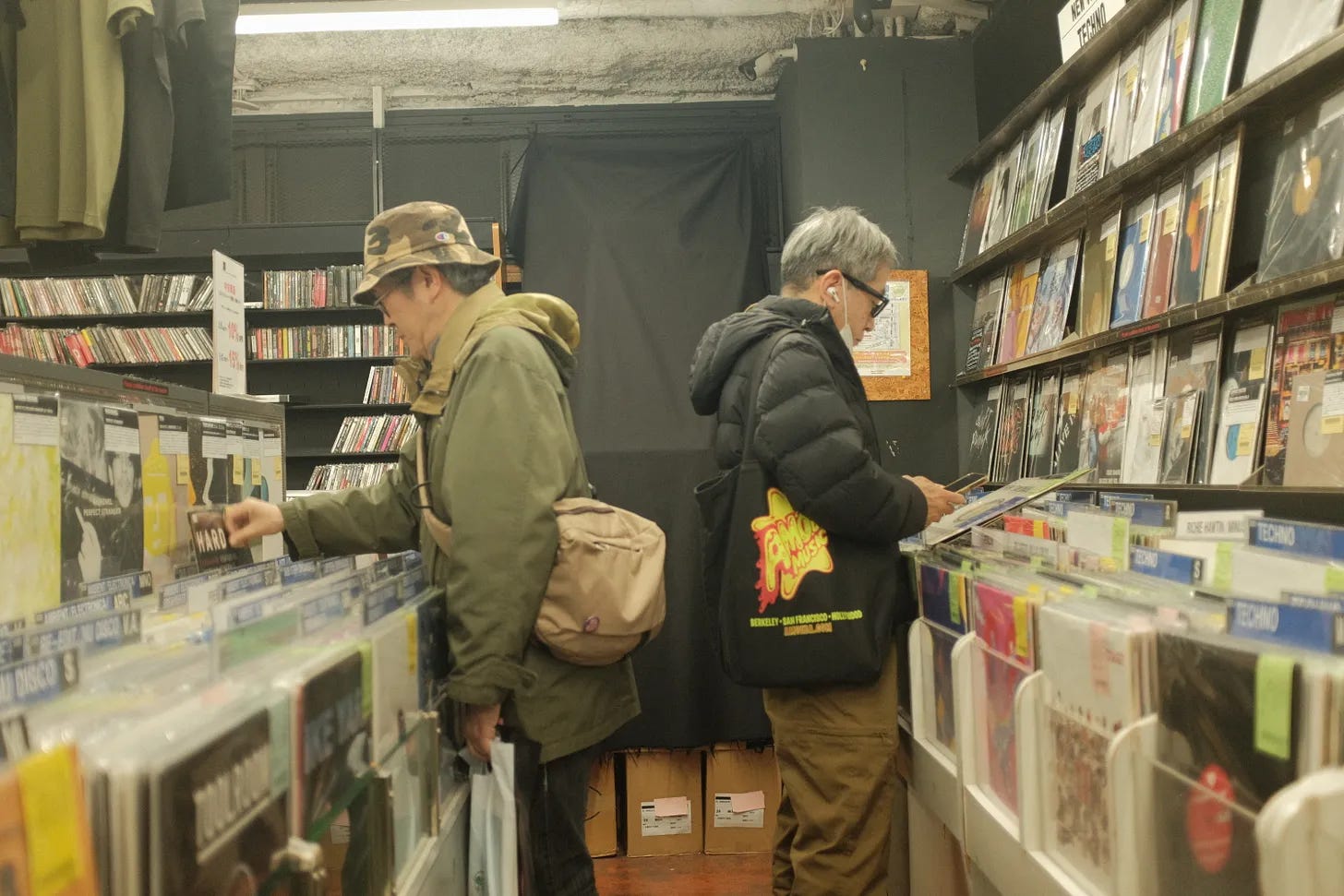
You recently wrote about crate digging in Tokyo and Amsterdam. Did you find any surprising cultural nuances or differences between Japanese and European record stores?
One thing that fascinated me was the role that Japan’s record stores play in everyday urban life. The stores are densely embedded into the cities; up stairwells, in basements, inside big electronics stores, in department complexes. Shopping for records there is a routinised hobby. In Amsterdam, or even here in the UK, record stores often feel more like a destination, or part of a street’s siloed independent-retail ecology (alongside cafés, barbers, clothes). Trips to European stores have often felt more occasional - a weekend browse, a leisure outing, a lifestyle choice.
The other big cultural difference is the staff-customer relationship. In Japan, staff felt more akin to specialist curators. None of the stores I visited there were particularly chatty affairs unless I instigated it, but the knowledge was there if I needed it. It’s a quiet authority that feels different to my experiences in Europe, where the staff-customer interaction is often part of the value: conversation, scene gossip, social.
You often write about music from an activist stance, investigating national anthems, deep diving into Two-Tones’ role in Thatcher’s Britain, and the power of ‘ecomusicology’. Do you think there are areas in which the vinyl industry could become more activist?
Totally. I’d love to see more mainstream conversations around circularity and recycling in vinyl culture. Vinyl as a medium has undoubtedly been fetishised over the last decade, often for good reason. But I think the danger with this is that the emotional gravitas of nostalgic tactility that the vinyl format provides us often blinds us to the costly effects it can have on our planet and our people.
Have you noticed any new trends when it comes to vinyl record culture in 2025?
Something I’ve seen this year is vinyl-only runs as a pushback against streaming culture. Vinyl-only runs have obviously always existed, but I’ve seen more artists this year make statements in doing so. If you want to hear this music, you’ll have to prove that you don’t rely on Spotify.
What has been your favourite vinyl record of 2025 and why?
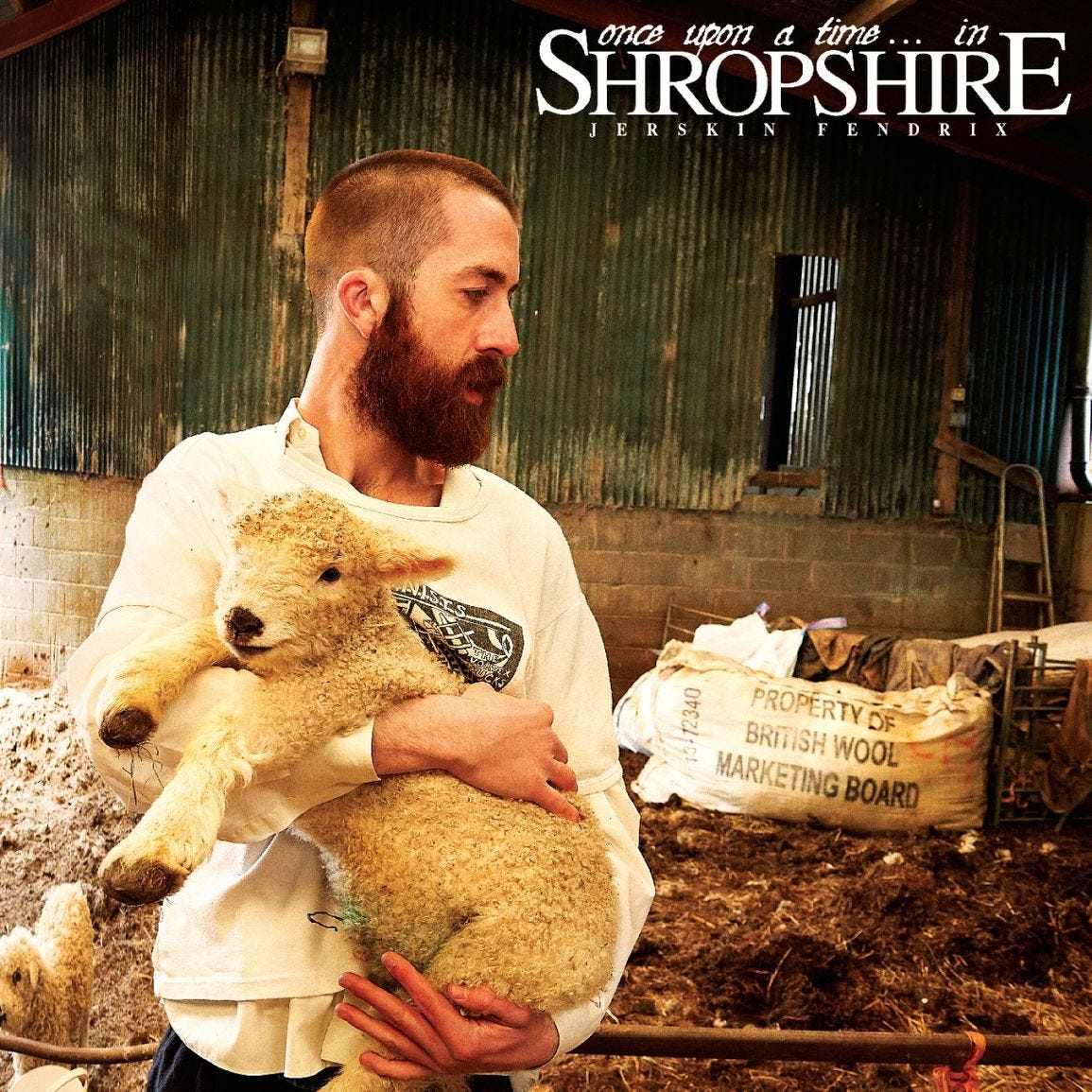
Jerskin Fendrix - ‘Once Upon A Time In Shropshire’. I’m going to plug my dear friend’s record here. It’s a breathtaking album about a coming-of-age that I was a part of. Jerskin wrote the score for Poor Things, Kinds of Kindness and Bugonia, and his latest personal release is filmic in the most gorgeous way.
What is the biggest opportunity for vinyl record culture looking forward to 2026?
Vinyl is one of the last truly tactile media canvases. I think it has a dearth of storytelling real estate which is criminally underused. Sleeves, booklets, inserts… so many vessels to expand depth of meaning, for contextualisation.
Emily White – emwhitenoise

Emily White is a music tech product advisor who has worked at platforms including Spotify, Billboard, and NPR Music. She sees her emwhitenoise newsletter as an ongoing form of user research, or space where she can learn from, and actively participate in, the community of music fans and artists she builds for. Her monthly deep dives investigate the post-streaming era through the lens of music fandom, culture, and technology, with a strong focus on the fan perspective, whether through original surveys or interviews with professional fans and tastemakers. Ultimately, White also views the newsletter as a future distribution channel for the products she creates.
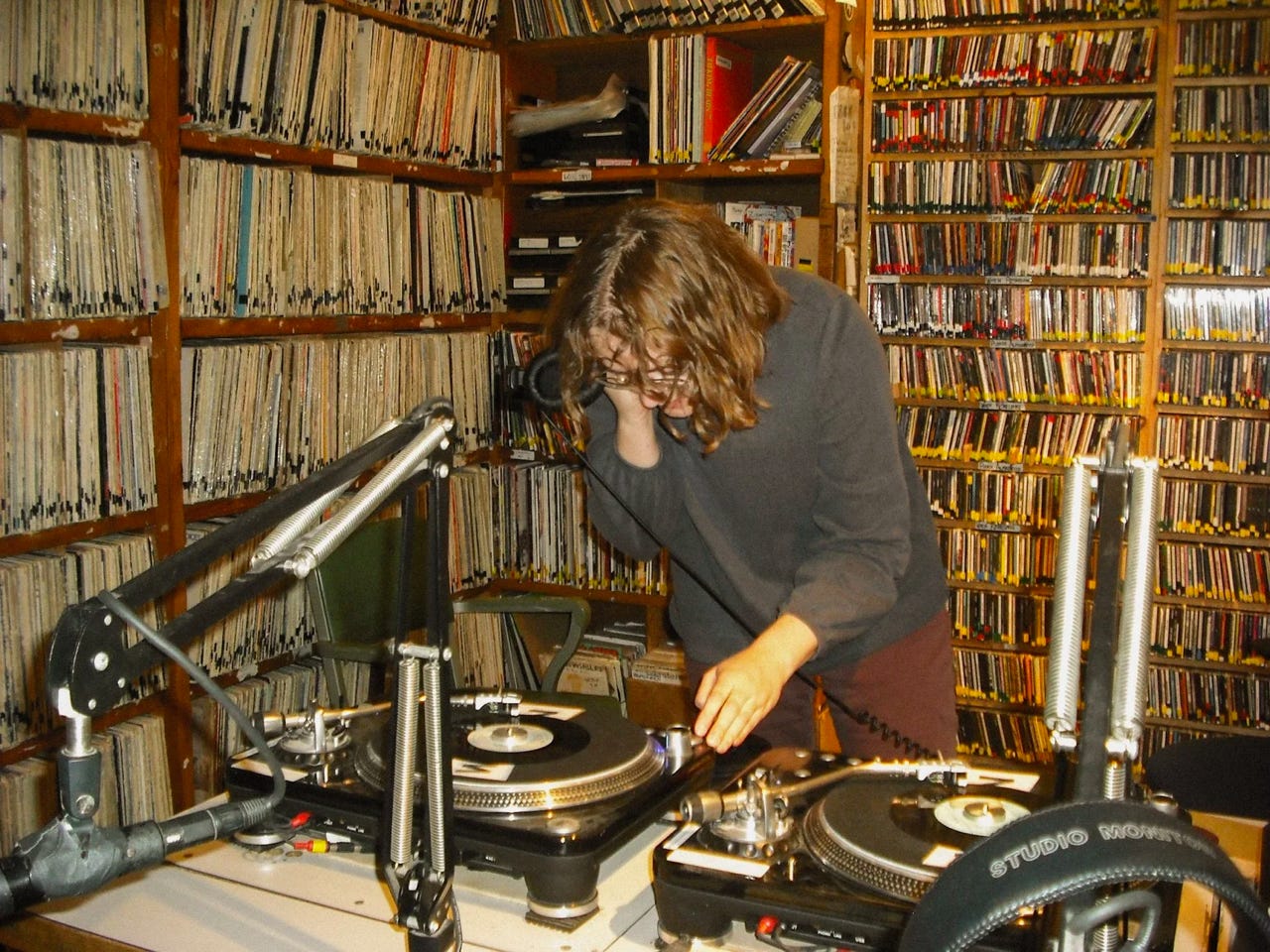
You recently wrote about college radio booming among Gen Z listeners. How do you think the vinyl record industry can lean into this trend?
I spoke to several college radio stations around the country for my newsletter on Gen Z’s college radio revival, and they all spoke about their physical music libraries with pride. Many stations are specifically requesting promotional vinyl from labels. Some Gen Z-hosted shows are even vinyl-only. The vinyl industry can lean in by sending targeted promo releases directly to college stations and supporting campus-based programming, a highly engaged music discovery ecosystem.
What can the vinyl record industry learn from the success of established or startup music tech platforms in 2025?
We’re seeing a surprising revival of iPods and digital music libraries, which makes the humble vinyl download code very relevant again. Tech platforms have trained listeners to expect seamless access and portability. Vinyl can meet that expectation by treating digital access as a core part of the product, not a throwaway bonus, by thoughtfully linking ownership of a physical record to a meaningful digital experience.
What has been your favourite vinyl record of 2025 and why?
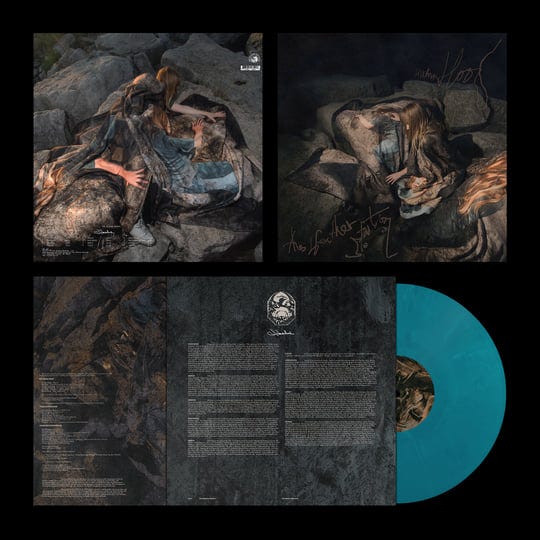
I haven’t purchased any vinyl yet this year, actually! I have a record player, but my vinyl collection is mostly symbolic. I prefer to buy merch I can wear. But my favourite albums of the year were: ‘Humanhood’ by the Weather Station, ‘Cover’ the Mirrors by Ben Kweller, ‘Earthstar Mountain’ by Hannah Cohen, ‘Getting Killed’ by Geese, ‘Ego Death at a Bachelorette Party’ by Hailey Williams, and ‘Addison’ by Addison Rae.
What is the biggest opportunity for vinyl record culture looking forward to 2026?
The biggest opportunity is to fully embrace vinyl as part of a multi-format ecosystem, not just a nostalgia object. Building systems where owning a record unlocks access, IRL or digital, where vinyl becomes a membership card.
Rachel Cabitt – The Art of Cover Art
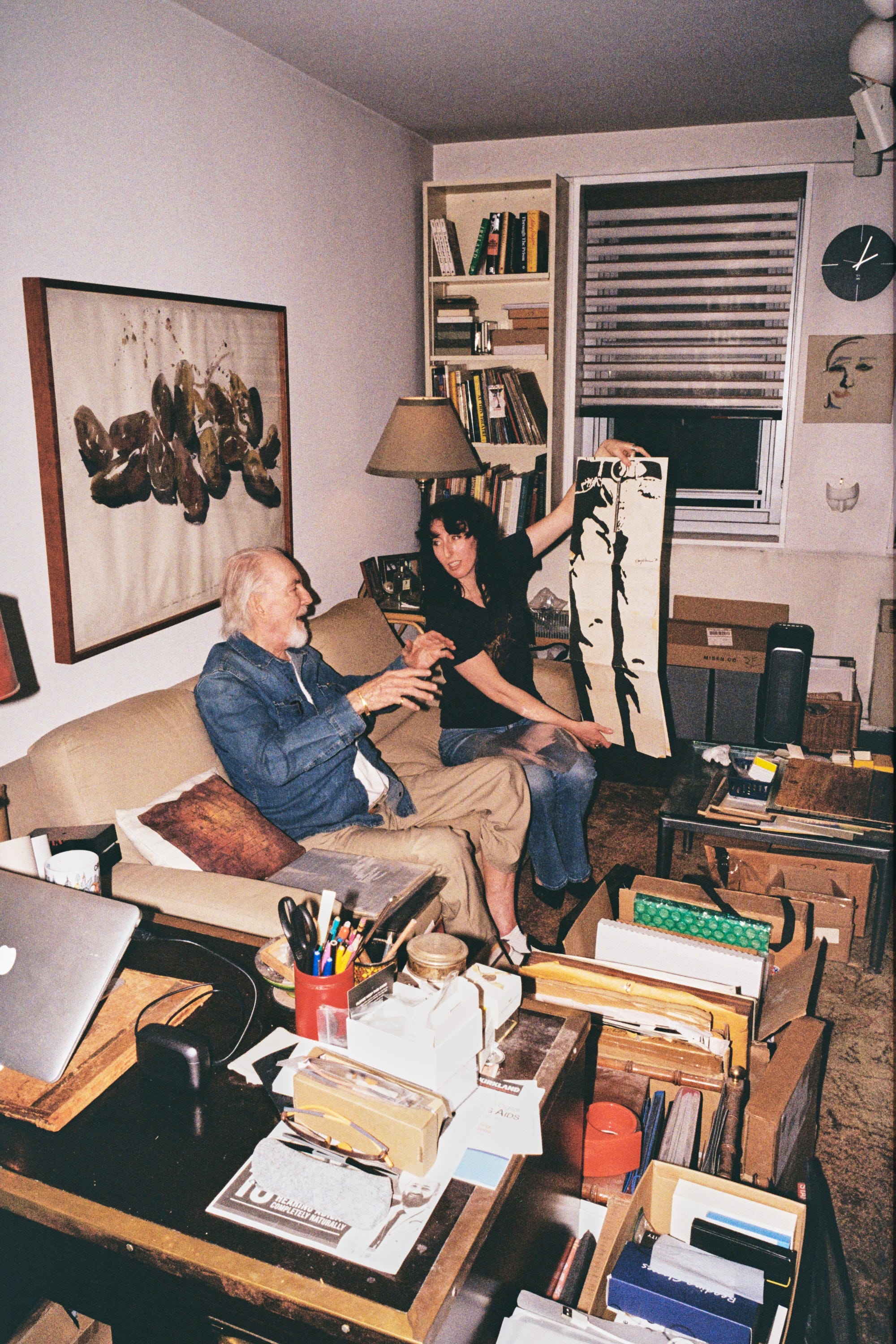
Rachel Cabitt is a photographer, designer, and art director who started The Art of Cover Art as a Tumblr page, uploading a collection of vinyl packaging images she had been saving on her computer. When she began adding visual credits to the works, she would often get sidetracked, falling down research rabbit holes on Discogs, discovering one cover photographer or designer after another, alongside countless lesser-known artists. What makes the Substack particularly unique is Cabitt’s focus on highlighting niche album cover artists and subcultures from around the world, from unpacking the history of 1970s Pakistani 7” soundtrack art to documenting the modern artists creating covers for today’s DIY rock scene in China.
You spoke about Black and White being a visual trend for cover art in 2025. Were there any other visual or design trends you noticed or enjoyed with 2025 vinyl records?
My latest piece dove into the “I Spy” trend I’ve been noticing over the past year. These covers aren’t necessarily streaming-friendly, but they look great when printed large on vinyl. In a chaotic climate, they fit right in while also standing out.

Your piece An Ode to the Wraparound Album Cover highlights a design technique that lost its popularity. Are there any other vinyl cover design techniques you think the industry is missing out on or forgotten?
I’ve noticed a trend among major-label artists of printing multiple alternative covers. It feels more like a cash grab than a unique experience, which is what fans ultimately want. Plus, it tarnishes the album cover’s role: to be a visual representation of the music. While it may seem obvious, the industry is forgetting that sticking to a single strong image is the best design technique.
How has running The Art of Cover Art inspired your own practice as an art director for the music industry?
Writing this newsletter has kept me continually curious and aware of everything going on around me. If I’ve learned anything from researching the art history of album art, it’s that trends come and go, but timeless, unique covers transcend.
What has been your favourite vinyl record of 2025 and why?
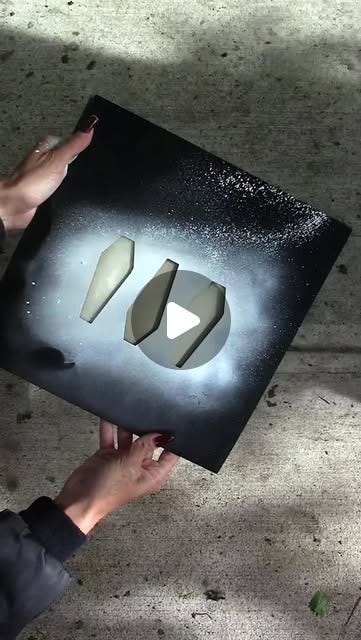
Hardcore group Show Me The Body’s 10th anniversary release for Body War. The front of the black vinyl jacket features the band’s emblem (three coffins), and the back bears the band’s name, both die-cut into the packaging. Once you remove the vinyl, you can tear the jacket in half along a perforated line and use the packaging as a spray paint stencil. It’s defiant and messy, harkening back to the spray painted title on the original cover, the band’s ethos, and the hardcore community. I love how it challenges the idea of what a 12” canvas can be.
What is the biggest opportunity for vinyl record culture looking forward to 2026?
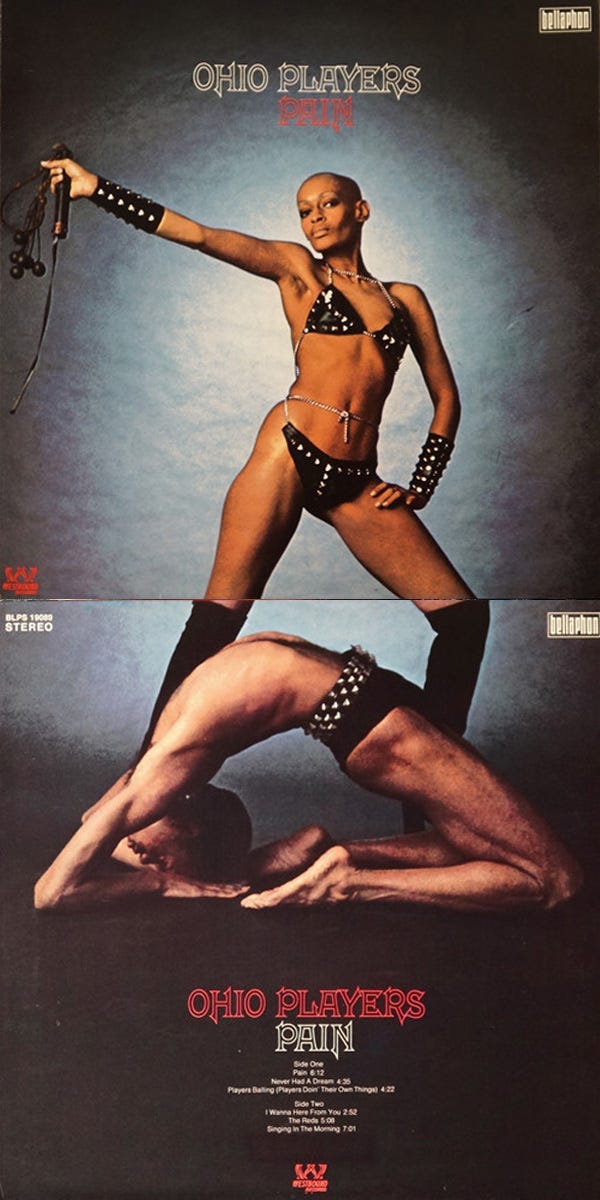
In November, I had the chance to speak with Craig Braun, the designer responsible for the notorious zipper on the cover of The Rolling Stones’ Sticky Fingers. His creative practice was three-dimensional, producing interactive vinyl that defied a flat surface. While he worked during a time when budgets were much more abundant, and the sky was the limit, he created memorable, unique vinyl experiences.
Now more than ever, audiences are finding new ways to listen to music that aren’t streaming-reliant. Analog and physical media are thankfully making a comeback. It feels a bit revolutionary... Now may be the time to pepper in some Craig creativity into our designs (albeit at a more restrained budget).
Suze Webb – Sound + Vision
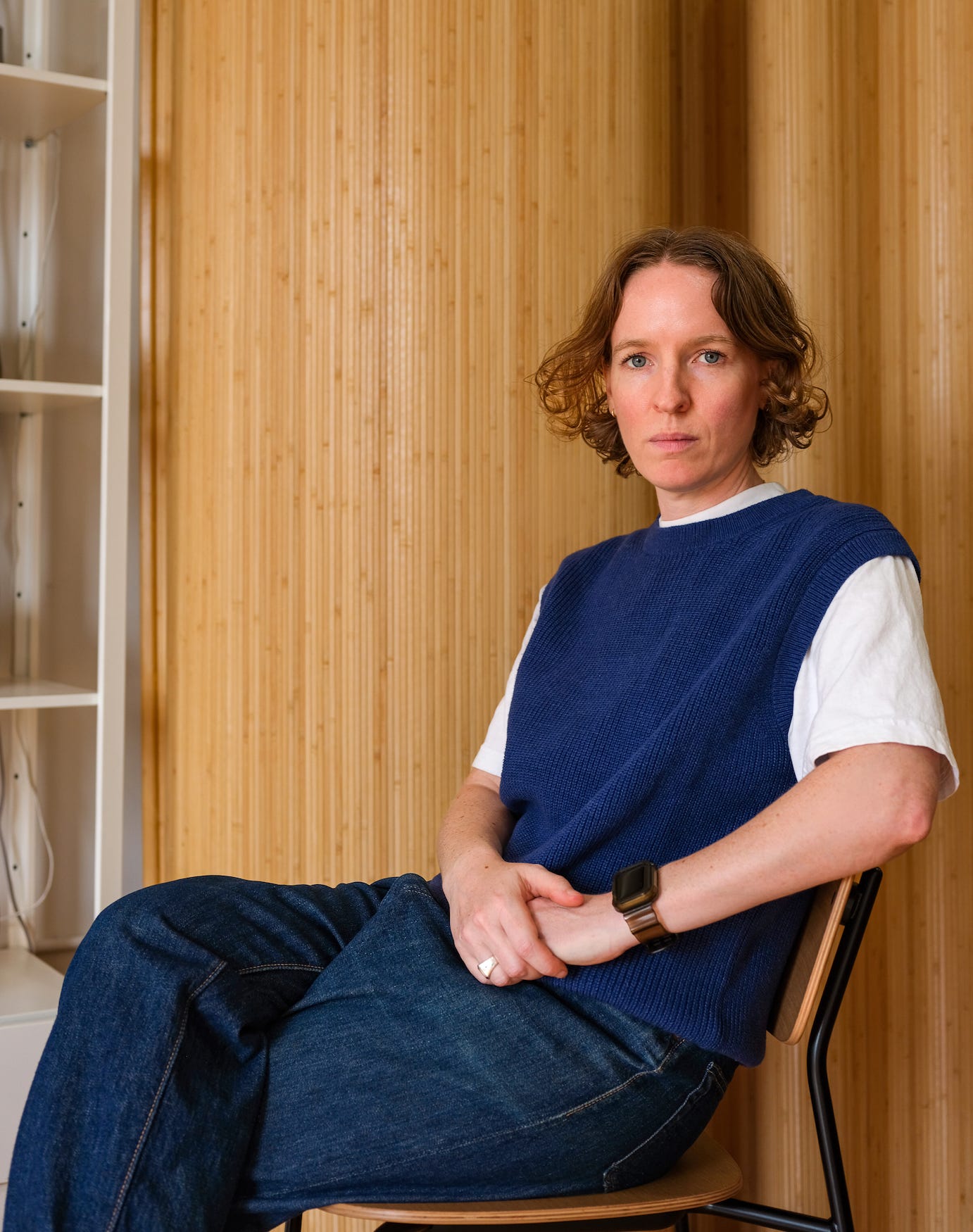
Suze Webb helped build the independent label Mixpak from the ground up, signing and working with Jamaican artists like Vybz Kartel, African acts such as Afro B, and leftfield underground electronic artists including Palmistry. Webb has worked in artist services and business development ever since, helping artists, labels, and brands shape music strategy, creative marketing and execution. Alongside a monthly residency on London station NTS Radio, she uses her Sound + Vision Substack as a place to share real-life insights from her working life, exploring how music, design, and culture come together.
Your recent editorial ‘Are We All Audiphiles Now’ highlighted how luxury brands have embraced listening rooms and sound systems. What’s driving this rush to align with audiophile culture?
I think it’s really a mirror of our time: a mix of sincere reverence for sound and craft, a desire for physical connection and communal experiences, and a touch of late-capitalist repackaging. Audiophile culture gives luxury brands a way to signal community and cool, and “caring about music”.
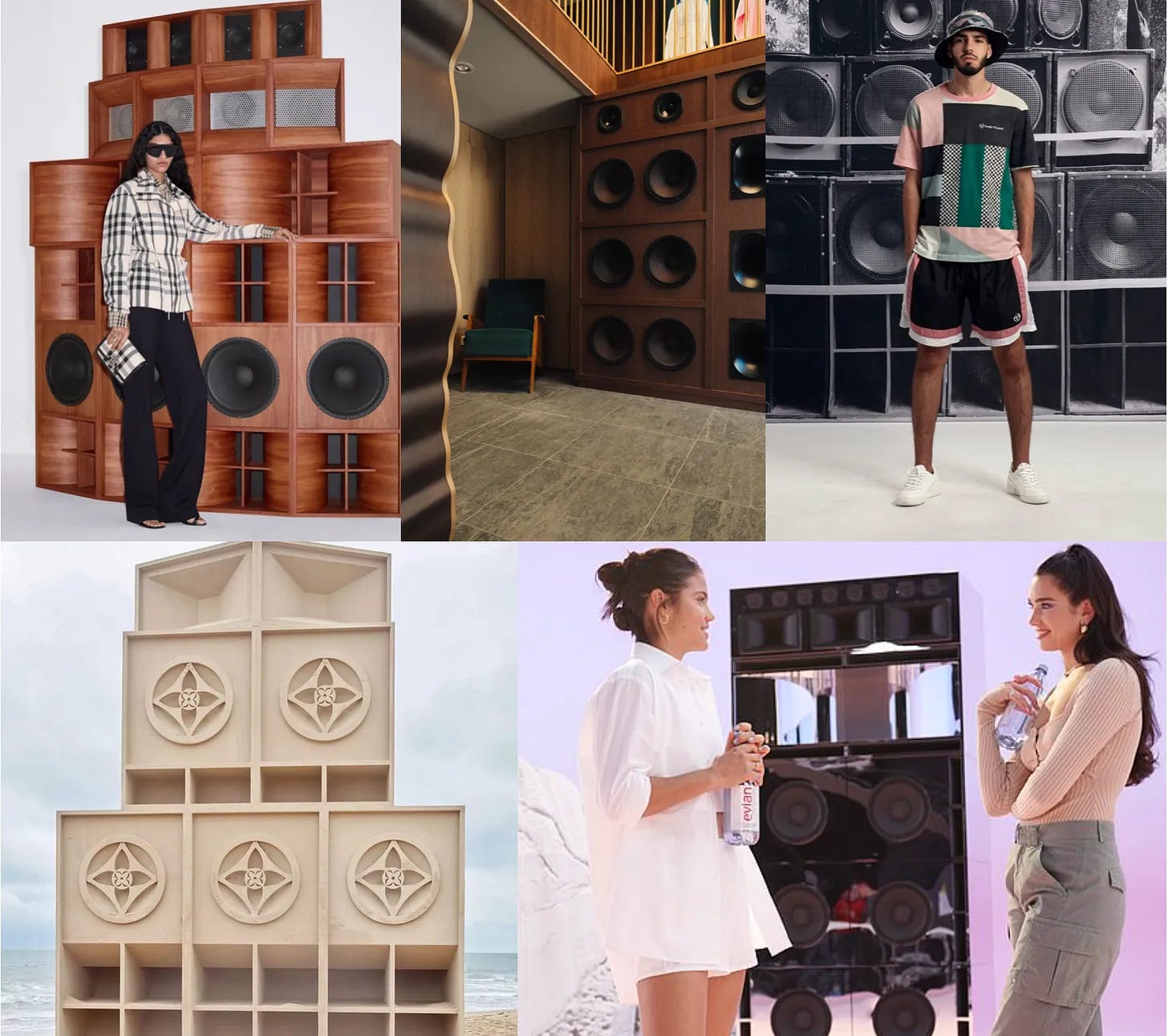
How can soundsystem builders, playback manufacturers, artists, and the vinyl ecosystem tap into this trend without selling out, and actually turn it into a long-term, sustainable movement?
I think long-term sustainability comes from care - in design, in storytelling, and in how it circulates. I think people ultimately move on when it isn’t offering something concretely valuable, and that’s where trends can become empty. I think there’s a huge opportunity here for a long-term sustainable movement, though, which is great.
What’s been your standout vinyl release of 2025, and what makes it special to you?
I’m always in awe of independent labels that put their time and resources into thoughtful vinyl releases. I know firsthand how demanding that process can be! A few labels that consistently stand out and have delivered this year are: Death Is Not The End (UK), Principe (Portugal), TraTraTrax (Colombia), Soundway (UK), all of whom expertly balance depth, experimentation, and context.

Andres Celati – The Vinyl Room
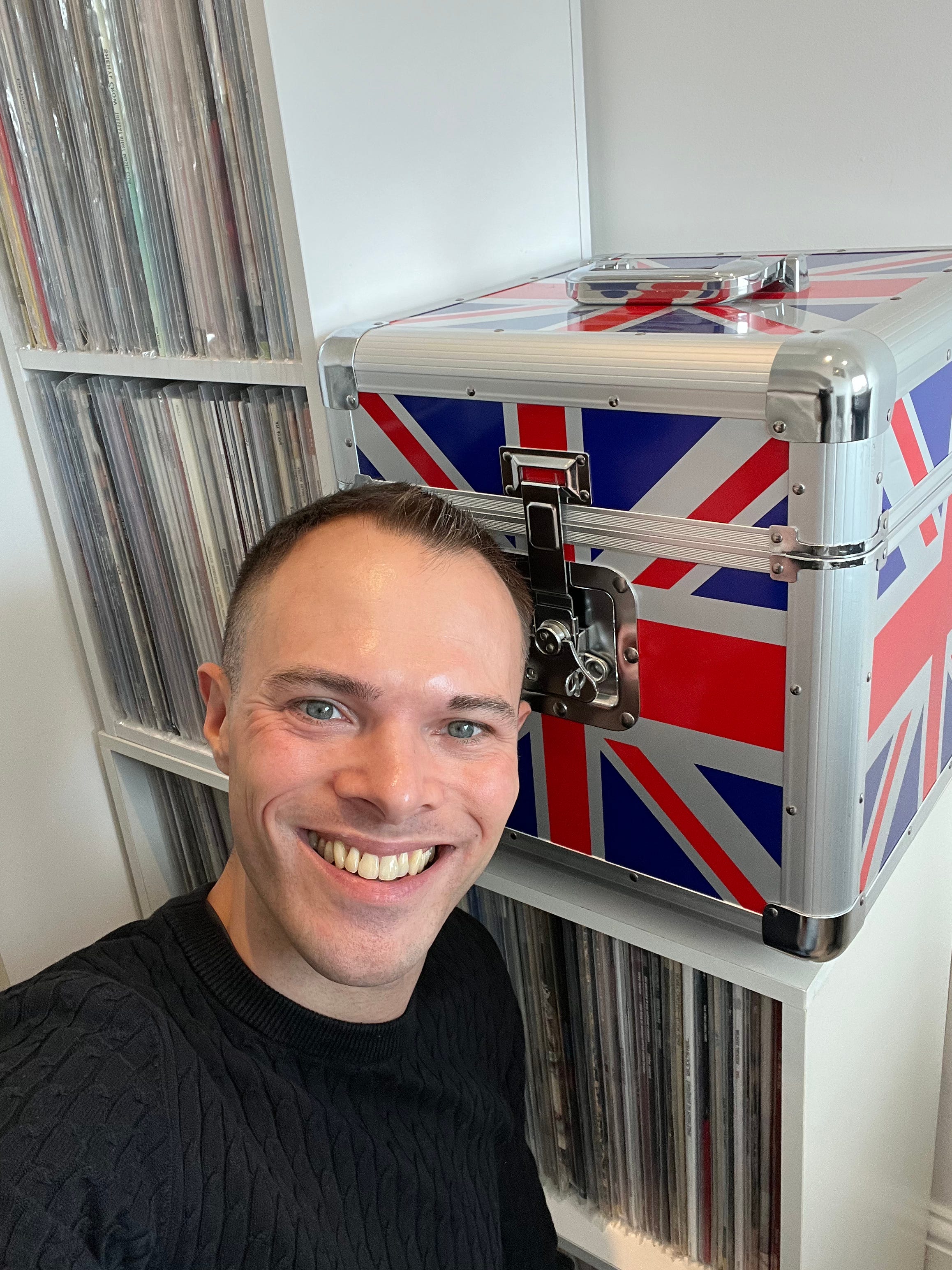
Andres started The Vinyl Room as a space for vinyl lovers with busy lives to connect and learn from each other, without the snobbery often found in record-collector circles. Initially focused on audio-tech advice, collection strategies, and industry news, the Substack has since grown to encompass broader aspects of what he loosely calls ‘vinyl life’. Alongside his weekly material, Andres also runs a series called Vital Records, where music lovers from all walks of life share three records that have resonated with them personally. “You get to know a lot about a person through the records they choose to discuss,” he says. “We’ve been conditioned to present a certain image of ourselves, especially around other music lovers — but our records never lie.”
You often write guides that help readers achieve The Secret of Great Vinyl Sound or learn Habits of a Successful Collector. As a vinyl lover, what do you think the industry could do to make the culture more accessible to beginners?
I think there is a lack of down-to-earth, no-nonsense, user-friendly practical guides. Many beginners feel they cannot ask certain questions for fear of being ridiculed or belittled by so-called “vinyl snobs”, which is regrettably still the case in many circles.
Many young collectors who grew up in the age of digital downloads and streaming may not immediately understand or fully appreciate the implications of what it means to collect a physical format. Conversely, older generations who lost touch with the format thirty years ago and are now getting back into the vinyl habit may understandably feel somewhat overwhelmed by the wide array of new technological tools available.
I think more educational resources reinforcing the point that there are no stupid questions and absolutely no need to prove anything to anyone would go a long way towards making the culture more accessible.
If you have one piece of advice for vinyl collectors, what would it be?
In three words: love your stylus. Invest as much time and money as you possibly can in it. Choose the right one for your system and needs, clean it every time you spin, always keep it in check, and replace it often. Your records will thank you.
How has The Vinyl Room Substack helped connect you to a wider community of vinyl lovers?
The community aspect here on Substack continues to surpass all my expectations, not just when it comes to connecting with other record collectors, but with music lovers in general. There is a thriving community of music writers here (affectionately called “the MusicStack”), and we all bring something different to the table. The camaraderie and support between us, the fun we have together, and the valuable knowledge we keep gaining from each other are the real engines that keep The Vinyl Room going.
Have there been any trends you’ve noticed when it comes to vinyl record culture or playback equipment in 2025?
There’s a more nuanced understanding of (and greater appetite for) high-quality audio. Until recently, some music fans wouldn’t, or simply couldn’t, tell the difference between your run-of-the-mill streaming platform and the higher-quality audio you get from other, perhaps more niche and specialised services – not to mention the difference between streaming and vinyl.
What has been your favourite vinyl record of 2025 and why?
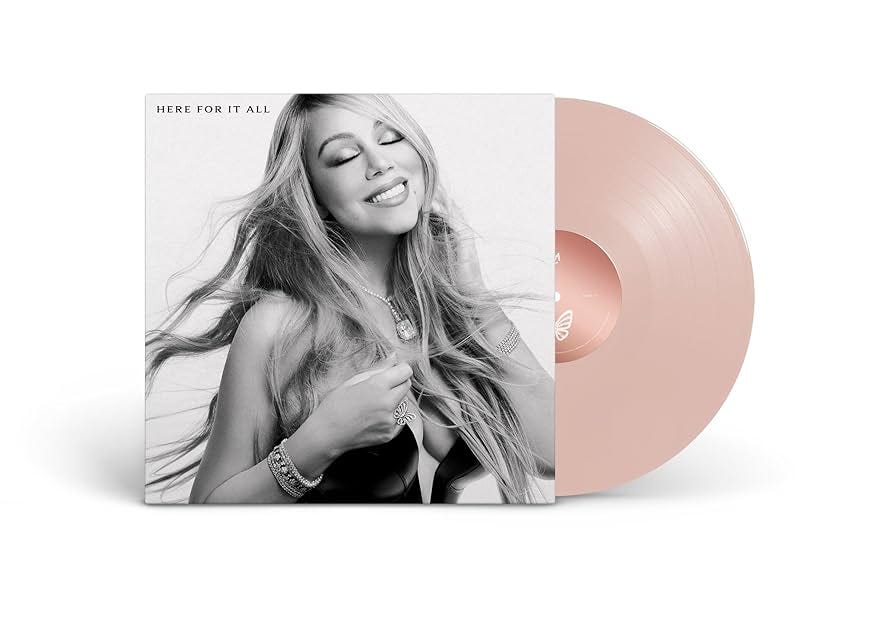
My absolute favourite vinyl record of 2025 is Mariah Carey’s Here for It All, which wowed fans and critics alike. It’s incredible that an artist of this calibre can continue to push boundaries and grow artistically at this stage of her career.
What is the biggest opportunity for vinyl record culture looking forward to 2026?
For a while now, there has been an increased focus on fans getting more direct access to their favourite artists through records. Special editions with enhanced, and sometimes additional, artwork can elevate the music-listening experience, especially as streaming fatigue and the need for a “digital detox” continue to dominate conversations. There’s still plenty of room to grow on this front as more music lovers discover or reconnect with vinyl.
It’s also been interesting to see the foray of vinyl records into new territories such as (previously unreleased) film soundtracks and, for the first time, video game soundtracks. This is a great opportunity for the format to grow and reach new markets.
Perhaps most importantly, there seems to be an increase in the number of independent labels and more generally the option for artists to go for smaller pressing runs. For many indie and/or emerging musicians, this means they can now finally have their music pressed on vinyl for the first time. This is definitely something I’d like to see more of in 2026 and beyond.
These conversations have been condensed and edited for clarity. The views expressed are solely those of the featured creators and do not necessarily reflect the views of The Vinyl Alliance.
Have a vinyl industry story to share? We’d love to hear it! Email us at cueburn@vinylalliance.org and let’s start the conversation.
Vinyl Alliance London Members Meeting: 3 Key Insights


Earlier this December the Vinyl Alliance’s London Members Meeting took place at Tileyard, the hub of London’s creative community and home to local VA Member Key Production Group. Alongside insightful sessions and energetic participation, attendees enjoyed a dinner and social gathering hosted at Third Man Records in London’s historic Soho. Here we share three key opportunities and learnings from across the two-days.
Vinyl Culture Is Expanding Through Shared, Offline Experiences
Across the various sessions in London, a clear theme emerged: younger audiences are seeking out real-world, intentional listening spaces. From Rough Trade’s successful in-store events to the sold-out sessions at 180 Studios’ Listening Room, members heard how Gen Z and younger Millennials are reshaping vinyl culture around connection, storytelling, and shared discovery. As Sean Bidder of 180 Studios put it, these sessions are about creating spaces: “free from commercial pressure, algorithms, or digital distraction”. Rooted in deep listening rather than digital noise, these gatherings signal where vinyl’s cultural momentum is heading.
(See our Gen Z & Vinyl Report for more)
A More Stable Supply Chain Is Creating Space for Sustainability Progress
Manufacturers at the London meeting described a vinyl supply chain that is regaining stability after several years of post-Covid disruption. Demand has steadied, capacity planning is becoming more predictable, and operational pressures are easing in parts of the ecosystem. This improved footing is also enabling more meaningful progress on sustainability, from increased attention to recycling and material reuse to broader conversations about how environmental responsibility can scale across the industry.
Understanding the Consumer Requires Looking Beyond Sales Data
A recurring message from London was that sales figures alone no longer tell the full story of the vinyl consumer. Discussions highlighted how fans are motivated by direct support of artists, connection to niche scenes, and a desire for meaningful ownership. These are factors that don’t always register in top-line sales data. Whether through independent releases, community-driven discovery, or deeper engagement with artists they care about, today’s vinyl consumer is often making deliberate choices. Understanding these motivations will be just as important as tracking units sold.
Join The Vinyl Alliance
Gain full access to reports, market data, and knowledge exchange workshops with our membership.
Find more information about membership at vinylalliance.org/membership
Wonderful to get to hear from so many different voices connected to the joys of vinyl. It makes me want to go right now to Amoeba and browse the racks!
Great, incisive advice and solid points, Andy! Congratulations on being tapped to share your vinyl POV with these other august vinyl scribes! Now, I'll go read their contributions!!💿💪😁👍🎵